
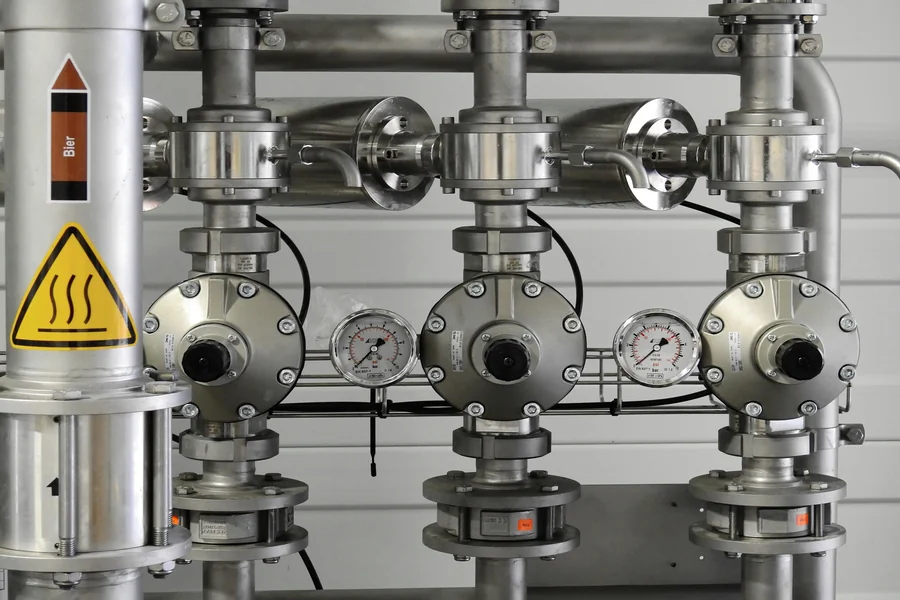
Valves are fundamental components in industrial safety systems, serving as control points that regulate the flow of gases, liquids, and other materials within complex machinery and infrastructure. Their role extends beyond basic operation they are critical to maintaining safe conditions, preventing equipment failure, and protecting personnel. In environments where pressure, temperature, and chemical composition must be precisely managed, valves act as safeguards that ensure systems function within designated parameters. Understanding the key functions of valves helps facility managers and engineers design more resilient and compliant safety systems.
Controlling Flow and Direction
One of the primary functions of valves in industrial settings is to control the flow and direction of materials. Whether managing steam in a power plant or chemicals in a processing facility, valves ensure that substances move efficiently and safely through pipelines. Directional control valves, for example, guide the flow to specific destinations, preventing backflow or cross-contamination. This control is essential for maintaining operational integrity and avoiding disruptions that could lead to hazardous conditions or costly downtime.
Regulating Pressure
Maintaining appropriate pressure levels is vital in industrial systems, especially those involving high-temperature fluids or volatile gases. Valves help regulate pressure by opening or closing in response to system demands. This function prevents over-pressurization, which can damage equipment or pose serious safety risks. A pressure relief safety valve services is specifically designed to release excess pressure automatically when it exceeds a predetermined threshold. This type of valve is a cornerstone of pressure management, protecting both machinery and personnel from potential harm.
Isolating Equipment for Maintenance
Valves also serve as isolation devices, allowing sections of a system to be shut off for maintenance, inspection, or emergency response. Isolation valves are strategically placed to enable safe access to equipment without disrupting the entire operation. This function is particularly important in facilities that operate continuously, as it allows for targeted interventions without compromising overall productivity. Proper isolation reduces the risk of accidental exposure to hazardous materials and supports compliance with safety protocols.
Preventing Contamination and Leakage
In industries such as pharmaceuticals, food processing, and chemical manufacturing, contamination control is paramount. Valves help prevent unwanted mixing of substances and minimize the risk of leaks that could compromise product quality or safety. Specialized valves, such as diaphragm or sanitary valves, are designed to maintain sterile conditions and resist corrosion. Their precise sealing capabilities ensure that materials remain contained and that environmental standards are upheld. Leak prevention also contributes to environmental protection and regulatory compliance.
Responding to Emergency Conditions
Valves play a crucial role in emergency response scenarios, where rapid action is required to mitigate danger. Emergency shut-off valves can be activated manually or automatically to halt the flow of hazardous substances in the event of a system failure, fire, or other critical incident. These valves are integrated into safety systems to provide immediate containment and reduce the potential for escalation. Their reliability and responsiveness are essential for protecting lives and minimizing damage during emergencies.
Supporting System Automation
Modern industrial facilities increasingly rely on automation to enhance efficiency and safety. Valves equipped with actuators and sensors can be integrated into automated control systems, allowing for real-time adjustments based on data inputs. This function supports predictive maintenance, energy optimization, and remote monitoring. Automated valves contribute to smarter operations by reducing human error and enabling precise control over complex processes. Their role in digital infrastructure is growing as industries adopt more advanced technologies.
Ensuring Compliance with Safety Standards
Valves are instrumental in helping facilities meet industry-specific safety standards and regulations. From OSHA requirements to ISO certifications, proper valve selection and maintenance are critical for demonstrating compliance. Safety audits often include valve inspections to verify functionality, placement, and condition. By fulfilling regulatory expectations, valves help organizations avoid penalties, maintain operational licenses, and build trust with stakeholders. Their contribution to compliance underscores their importance in overall risk management strategies.
Conclusion
Valves are indispensable to the safe and efficient operation of industrial systems. Their ability to control flow, regulate pressure, isolate equipment, and respond to emergencies makes them central to any robust safety infrastructure. As industries evolve and adopt more sophisticated technologies, the role of valves continues to expand, supporting automation and compliance efforts. By understanding and leveraging the key functions of valves, organizations can enhance safety, reduce risk, and ensure the long-term reliability of their operations.


