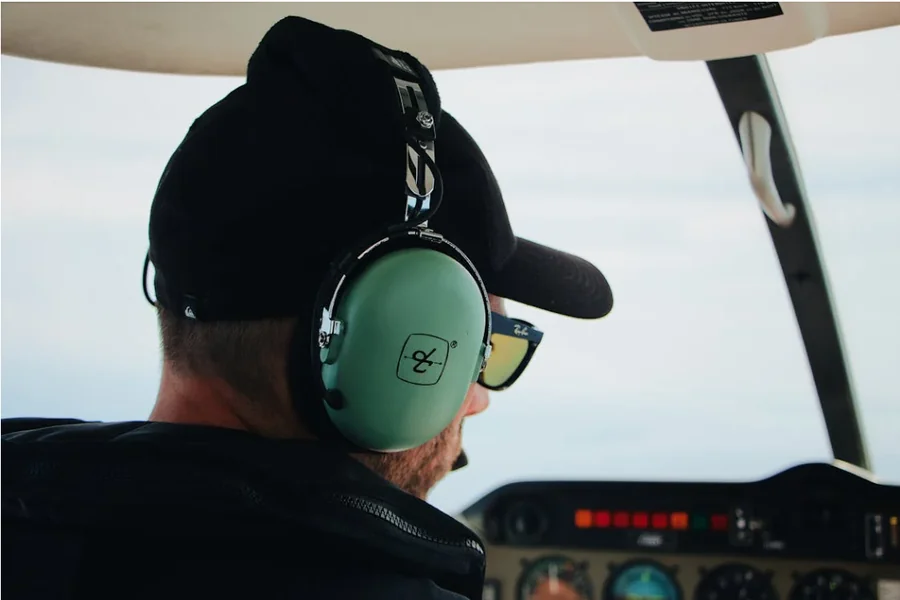
Effective communication is the cornerstone of aviation safety for both pilots and passengers during flight operations. Headsets, specifically engineered to minimize noise interference and optimize communication clarity, prove invaluable in this context. By incorporating these essential tools, pilots can execute their responsibilities with enhanced precision, security, and communication effectiveness.
Here are some more specific reasons why pilots need headsets.
Clear Communication With Air Traffic Control
As a pilot, clear communication with Air Traffic Control (ATC) is something you cannot ignore. Discernible audio prevents confusion to ensure you receive flight instructions and directions without any doubt. The ability to respond quickly to changing clearances keeps you and your aircraft safe as you fly. The noise in the cockpit, such as the engines and airflow, can make you misinterpret messages. But a reliable headset emits clear audio signals and cancels out that background noise. This makes it easier to comprehend and process ATC communications in real time. Thus, your headset assists you in maintaining precise interaction with ATC and boosts safety through unbroken communication.
Noise Reduction
Noise is one of the biggest issues in flying and not only an annoyance, but it can also be a danger to your hearing and a source of fatigue. The engines produce a long and loud sound level that can lead to hearing loss if you fly frequently. Pilot headsets are helpful in reducing these loud noises because they offer effective active or passive noise cancellation techniques. They provide you with major comfort on long flights by protecting you against the deafening background of the cockpit. With the surrounding noise gone it is easier to think, plan and focus on flying. This will also help you prevent fatigue and stress because you do not have to expend energy trying to hear or converse in a noisy environment.
Teamwork and Coordination in the Cockpit
A successful pilot must excel at teamwork, particularly within the cockpit environment. A reliable aviation headset facilitates clear, uninterrupted communication between pilots, ensuring seamless information exchange regardless of surrounding noise. During all flight phases, from takeoff through cruising to landing approach, effective radio communication enables smooth coordination among crew members. A good headset’s superior audio clarity eliminates potential misunderstandings, especially crucial during emergency situations requiring rapid decision-making and adjustments. When pilots can communicate with crystal-clear precision in the cockpit, it fosters strong teamwork and creates an environment of mutual trust and collaboration.
Pilot Comfort and Focus
Long flights should not be exhausting simply because of the equipment you are using. The pilot’s headset should have features tailored for comfort and use. Try to find a lightweight, well-cushioned design, so you will not feel pressure on your head for long hours. Most headsets have adjustable features to fit your design and shape. A good headset should also reduce fatigue; you do not have to press a particular button to listen. Such a decrease in pressure will result in a more relaxed attitude towards situations and will cause you to be alert all day long. The essential quality of a good headset is that it has to be comfortable and functional so that you will be able to focus on the flight and not the inconvenience.
Modern Features That Add Value
Today’s headsets for pilots are not simply about the basic functions, but rather about increased comfort, durability, and ease of use. Many headsets come with improved wireless technology and crystal-clear digital audio quality. They are made of strong materials to withstand the rigors and to be used more than once. Modern controls allow you to change the volume or switch the audio fast while you are in the air. Some headsets even include Bluetooth or audio jacks to connect to other devices. This means you can play music or access information right there in the cockpit. All these special features of your headset mean you can work well in the air, and that your equipment will not disappoint you.
Conclusion
In summary, aviation headsets serve a more comprehensive purpose than commonly understood. Thus, when pilots don their headsets, they’re equipping themselves with more than just a communication tool.