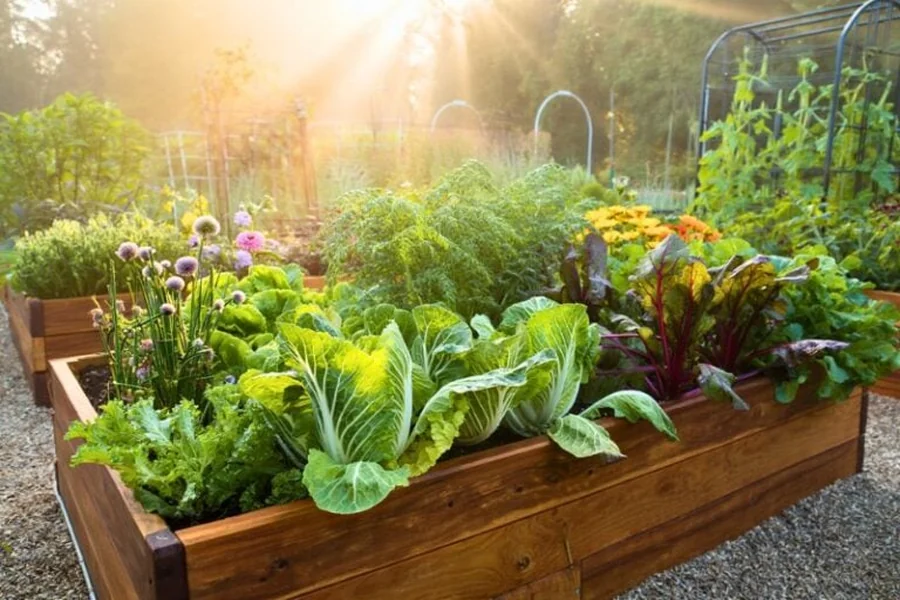
Combining plants can do wonders for your garden. Besides, Britain’s soft, damp weather gives this method the breathing room it needs to thrive.
Why is a proper combination important? Because it means more teamwork between plants—each doing its bit with nutrients, pest control or bringing in the bees. The payoff can be huge–healthier soil, clever use of space, and a garden that holds its own.
Sounds good, right? So, let’s get into how this high-reward method can work its magic in your patch.
What Exactly Is Companion Planting
Some plant pairings just work great. They look out for each other in so many clever ways.
For example, bright orange blooms can throw pests off course, shielding leafy crops like broccoli and cabbage. Beneath the surface, taproots dig deep and bring up goodness for neighbours with shorter reach.
Gardeners have long paired onions with carrots. The strong aroma helps disguise them from flying pests. It also pays to mix up plant families. Keeping close relatives apart can reduce the chances of fights over nutrients.
This helps reduce chemical dependency, support pollinators, and create a thriving garden that harmonises well with nature.
With that said, here are the best plant combinations that you could use for your garden.
Which Are The Best Companion Plant Combinations?
Certain greenery pairings do especially well in the UK’s climate. Take tomatoes and basil, for example. Basil is great at keeping pests like whitefly and tomato hornworm away and even boosts the taste of tomatoes.
To reap the benefits of this duo, just plant basil about 10-12 inches away from tomato stems.
You can also pair runner beans with Brussels sprouts. The former adds nitrogen to the soil, which is just what Brussels sprouts crave, but make sure to keep them about 8 inches apart.
Nasturtiums serve as excellent trap crops, luring blackfly away from beans and peas where they could cause significant damage.
For root vegetables, carrots and spring onions make that classic partnership mentioned earlier. The punchy smell of onion throws carrot flies off the scent, giving your carrots a solid chance to grow undisturbed.
Squash and sweetcorn get along brilliantly, with corn standing tall like a bodyguard while squash sprawls out, smothering weeds without fuss.
Shoving plants too close ruins this effect, no matter how well they’re meant to get on. So the breathing room makes all the difference.
Pay attention to the odd little pockets in your garden too, since what thrives in a quiet corner might struggle out in the open.
How To Use Native Plants Effectively
Local British plants are a smart choice for this style of gardening. Over the years, certain resilient species have figured out how to sidestep the everyday pests and problems that often trouble British backyards.
This means that there is no need for synthetic sprays. These hardy types manage just fine on their own.
Take wild garlic, for instance. It’s a natural shield against tiny intruders and, come spring, its white blooms double as a magnet for winged visitors that lend a helping hand with your fruit crops.
Foxgloves don’t just look pretty. They’re bumblebee favourites, which helps boost anything that grows from flower to fruit.
Yarrow is worth mentioning, too. It draws nutrients from deep in the soil and helps nearby plants grow better.
If you’re keen to encourage more helpful insects and reduce unwanted guests, native options like red campion or field scabious could be your answer. Bird’s-foot trefoil is another under-the-radar helper.
These choices survive Britain’s mood swings in weather and flourish in them. They’re also light on the watering can and won’t demand constant upkeep.
If you’re unsure which native varieties would work best in your space, a local gardening service can help you choose the right combinations and set them up properly.
Herbs as Companions
Herbs are fantastic plants to have in your garden. Besides being brilliant for cooking, they help out in loads of other ways that benefit your whole plot.
Rosemary and thyme pack a strong scent that puts off cabbage whites, carrot flies, and other annoying visitors.
Lavender, sage, and borage bloom away while drawing in bees and other handy little helpers without making a fuss. They’re easygoing plants that don’t care much where they grow, which is perfect if your garden’s mostly concrete or tiles.
Pop a few into a chunky pot and before you know it, you’ve got a scruffy little herb patch that smells like late January.
Mix hardy herbs like mint and chives with summery ones like basil or coriander and let each have its moment.
After planting, they mostly mind their own business. Just give them well-draining soil and a good six hours of sun a day, and they’ll thrive with minimal effort.
Mediterranean herbs such as rosemary and sage handle the dry bite of a UK summer without needing too much water.
Pop chives beside your roses and aphids will think twice, while mint planted near brassicas throws cabbage moths right off the scent.
Herbs have a clever way of working together, and there’s more than one trick to get them playing nicely.
Seasonal Companion Planting Guide
Britain’s distinct seasons create interesting opportunities for companion planting strategies. Spring calls for pairing carrots with spring onions to prevent carrot fly damage.
Spinach and peas make excellent spring companions. Peas climb upward while spinach provides ground cover, maximising space utilisation.
Summer is a great time to try the classic “Three Sisters” combo—Corn, beans, and squash. Corn supports climbing beans, beans enrich the soil with nitrogen, and squash suppresses weeds effectively.
Autumn planting includes garlic with strawberries to prevent fungal issues during wet weather. Winter lettuce paired with calendula helps reduce the damage dealt by slugs during mild spells.
Winter gardening isn’t dormant either. Start with beans and peas that naturally enrich your soil with nitrogen. Follow them up the next season with cabbage family crops that eagerly consume those nutrients.
Keep a straightforward garden journal. Note what you planted, when it flourished, and any observations worth capturing.
Your plants won’t compete for identical resources this way. Each growing season builds on the last, creating a more efficient garden cycle.
Conclusion
Companion planting hands gardeners a practical shortcut to stronger, happier gardens–and all this without resorting to chemicals!
Some plants just get along like old mates, fending off pests and feeding the soil. So, have a go and see what clicks for your little garden haven. You will enjoy great results, and you can pat yourself on the back, for you’ll also be kind to the local wildlife and the environment!
Happy gardening!