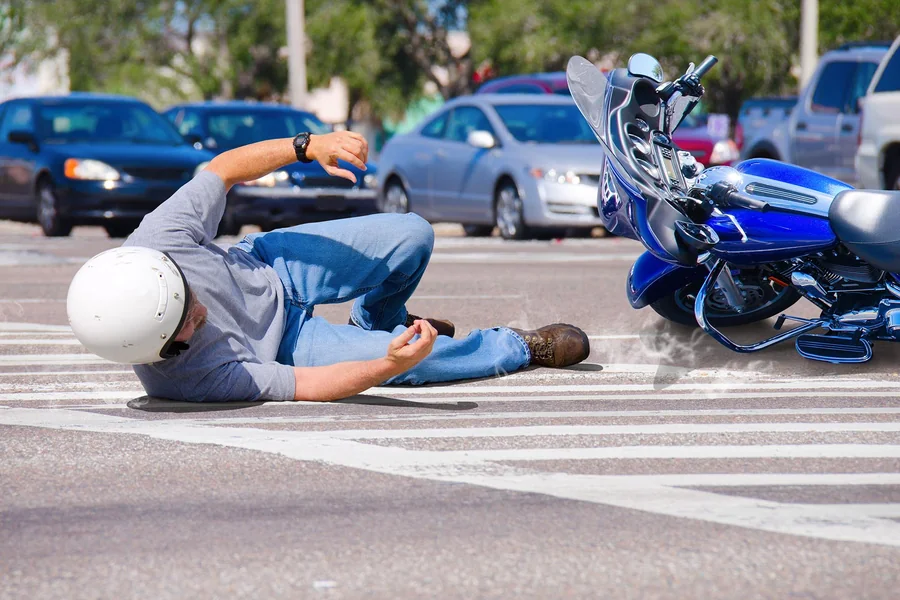
Motorcycle crashes in Huntertown happen fast. You face raw fear, pain, and sudden costs. You might feel blamed, ignored, or pushed to settle. You deserve clear facts and steady support. This guide explains what usually causes local crashes, what steps you should take at the scene, and how Indiana laws affect your claim. It also explains how fault works, what insurers look for, and what damages you might recover for medical care, lost income, and daily strain. You learn when a Huntertown motorcycle accident lawyer can protect your rights and how to protect your claim from the first day. You also see common mistakes riders make with police, doctors, and insurance companies. With plain language and direct steps, you can move from shock and confusion toward order and control.
Why Motorcycle Crashes Happen So Often
Most crashes come from a short list of causes. You can cut risk when you know them.
- Drivers turning left in front of you
- Speeding on straight roads or at curves
- Following too close in traffic
- Distraction from phones or screens
- Alcohol or drug use
- Loose gravel, wet leaves, or potholes
The National Highway Traffic Safety Administration explains that riders face a higher chance of serious injury in any crash with a car. You can read more rider safety data from NHTSA at https://www.nhtsa.gov/road-safety/motorcycles.
Common Injuries And Hidden Harm
Some wounds show at once. Others stay quiet for hours or days.
- Head injuries even with a helmet
- Neck and back strain
- Broken arms, legs, or ribs
- Road rash and deep cuts
- Internal bleeding
Silent injuries can turn severe fast. That is why you always seek medical care soon after any crash.
What To Do At The Scene
If you can move safely, follow three steps.
- Get to a safe spot away from traffic.
- Call 911 and wait for police and EMS.
- Gather facts and protect your claim.
To gather facts, you should
- Exchange names, plate numbers, and insurance details
- Ask witnesses for contact information
- Take photos of vehicles, skid marks, and road conditions
- Note cameras on buildings or traffic poles
Keep your words short. You can say what happened. You should not say you are fine or that you caused the crash. You do not argue at the scene. The police report and later review will matter more.
How Indiana Law Treats Fault
Indiana uses a shared fault rule. The law compares each person’s share of blame. Your payment can drop if you share fault. If your share reaches a set limit, you may lose the right to recover money.
Three key points guide most claims.
- The other driver must owe you a duty of care.
- The driver must break that duty through action or lack of action.
- The crash must cause your injuries and money loss.
You can review Indiana traffic rules and duties in the Indiana Code and driver resources at https://www.in.gov/bmv/licenses-permits-ids/driver-education-and-safety/.
Insurance Companies And Your Claim
Insurers protect their own money. Their adjuster may sound helpful. Still, the adjuster works for the company.
Expect the insurer to
- Request a recorded statement
- Ask for broad medical records
- Question your pain or limits
- Offer a quick low payment
You choose what to share. You can give basic facts and your policy details. You can wait to give a full statement until you speak with someone who knows your rights.
What You Can Seek Compensation For
Your claim can reach more than the first hospital bill. You should track three types of loss.
- Medical costs such as emergency care, surgery, and follow up visits
- Work loss such as missed days and reduced hours
- Life impact such as pain, sleep trouble, and loss of hobbies
You help your claim when you keep copies of every bill, receipt, and work note. You also help when you follow your treatment plan and attend each visit.
How Motorcycle Crashes Compare To Car Crashes
The risks and outcomes differ in clear ways. This table shows common differences.
| Factor | Motorcycle Crash | Car Crash
|
|---|---|---|
| Protection in impact | No frame or airbags | Metal body, seat belts, airbags |
| Chance of serious injury | Much higher per mile traveled | Lower per mile traveled |
| Common injury types | Head, spine, leg, road rash | Neck strain, chest, seat belt marks |
| Single vehicle crash risk | High on curves and loose roads | Lower in most conditions |
| Driver visibility | Often missed in mirrors and blind spots | Easier to see |
Steps To Protect Yourself After The Crash
Three simple habits can protect your health and your claim.
- Get medical care right away and attend follow ups.
- Report the crash to your insurer soon.
- Keep a journal of pain, limits, and mood changes.
You should also save
- Photos of your bike and gear
- Repair estimates
- Work notes and wage records
- Any messages from insurers
When To Reach Out For Legal Help
You may want guidance if
- You suffered head, spine, or broken bone injuries
- The crash report blames you and you disagree
- Insurance delays or denies your claim
- You feel pressure to accept a fast payment
A trusted guide can review police reports, medical records, and photos. The goal is clear. You want someone to protect your rights while you focus on healing.
Safe Riding Habits In Huntertown
You cannot control every driver. You can still lower your risk with three habits.
- Wear a helmet, gloves, boots, and strong clothing every ride.
- Use your headlight, stay out of blind spots, and leave space.
- Ride within your limits and slow down on curves and wet roads.
Each small step protects your body and your family from sudden loss. You deserve safety, respect, and clear choices after any crash.