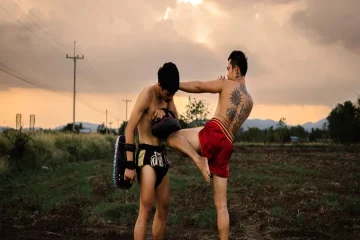
To the untrained eye, a Muay Thai match might appear to be a display of raw aggression and physical power. However, for those who choose to live and train within a traditional Muay Thai camp in Thailand, the experience reveals a deeply spiritual and culturally significant discipline. Known as the art of eight limbs, Muay Thai is more than just a combat sport. It is a national treasure that embodies the history, resilience, and heart of the Thai people. When you step into a local gym, you are not just learning how to strike. You are discovering a warrior heritage that has been meticulously preserved through centuries of practice and dedication.
The Technical Brilliance of the Eight Limbs
The physical foundation of the sport relies on the strategic use of eight points of contact: the fists, elbows, knees, and shins. This multi dimensional approach to combat makes Muay Thai one of the most effective striking arts in the world. In a traditional camp, you learn that every movement is governed by the laws of physics and body mechanics. A seasoned Thai boxer can generate incredible force by utilizing their hips as a central pivot point. Research into striking dynamics indicates that a professional nak muay can deliver a roundhouse kick with over 1,200 pounds of force. This technical precision is what allows a smaller fighter to overcome a larger opponent, emphasizing the importance of skill over brute strength.
Sacred Rituals and the Spirit of Gratitude
What truly separates Muay Thai from other combat sports is its spiritual core. Every professional match begins with the Wai Kru Ram Muay, a ceremonial dance where the fighter pays respect to their teachers, parents, and ancestors. This ritual is a mandatory part of the sport’s heritage and serves to center the fighter’s mind before the heat of battle. In the gym, this spirit of gratitude is present in every bow and every greeting. The Mongkhon, a sacred headband blessed by Buddhist monks, is worn with immense pride and respect. These traditions ensure that the practitioner remains humble and connected to a lineage of warriors that stretches back to the Sukhothai era.
The Rhythmic Pulse of the Training Ground
A traditional Muay Thai camp has a unique sensory atmosphere that acts as a bridge to the past. The rhythmic thud of shins hitting heavy bags is often accompanied by the Sarama, the traditional music played during fights. This music, featuring a reed oboe and drums, dictates the pace and intensity of the action. In the gym, the scent of Namman Muay, the signature Thai liniment oil, fills the air, signaling the start of a rigorous session. These sensory details create an immersive environment that demands total presence. You find yourself caught in a flow state where the distractions of the modern world disappear, replaced by the ancient rhythm of the strike. Suwit gym is a fighter gym for you to learn Muay Thai.
A Global Community Defined by Shared Effort
The soul of the sport is most evident in the community that forms within the camp. In Thailand, the gym is often a second home for fighters, and this sense of family is extended to international travelers who show a genuine interest in the art. The shared hardship of training in 30 degree heat fosters a unique bond that transcends language and nationality. You are encouraged by your trainers and peers to find your second wind when you feel exhausted. This collective energy is the true heart of the warrior. By the time you finish your training block, you realize that the greatest victory is not found in the ring, but in the discipline and respect you have cultivated within yourself.