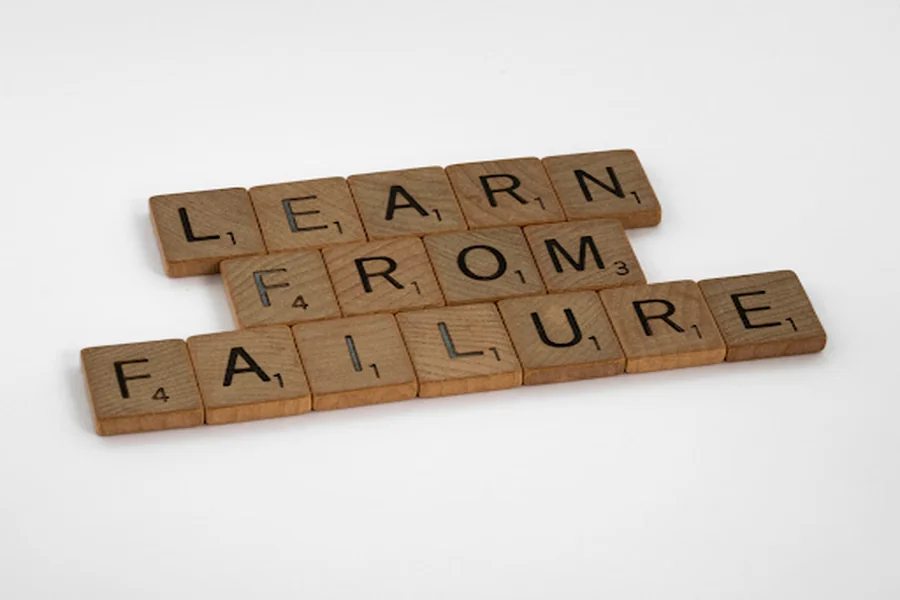
Failure is a reality that all business leaders encounter, but one most shun. It’s painful, humiliating, and infuriating at times. But failure contains within itself a hidden power to alter our thinking, doing, and leading. The catch? Translating disappointments into learning experiences.
Recognize the Sting
Failure stings, and denying it does no one any good. Whether it’s a failed initiative, a missed opportunity, or a choice that didn’t work out, it’s natural to feel disappointment or frustration. But what distinguishes growth-minded leaders is that they can confront these emotions directly. Acknowledging the sting of failure doesn’t mean wallowing in defeat; it’s a recognition that setbacks are an inevitable part of the process. After all, hiding failure blinds us and keeps us from learning from it.
Facing failure in a matter-of-fact way provides you with space to view it as not an absolute but as a temporary hindrance. That is the start of turning failure into a learning experience.
Analyze the Root Cause
In order to learn from failure, you must understand why it happened. Was the plan bad? Did the team lack critical resources? Were there out-of-alignment expectations? Root-cause analysis allows leaders to move beyond shallow blame and uncover actionable findings.
Practice disciplined analysis with data, dialogue with the team, and true self-knowledge. Question yourself with tough questions. Did I provide good guidance to the team? Did we test our assumptions? Taking a disciplined stance removes emotion from the issue and lets you recognize patterns and learn. When business leaders go seeking the root cause consciously, mistakes become no longer confusing frustrations, but instead become methodical learning moments.
Document Lessons Learned
Lessons learned from failure are useless if they’re not written down. Effective leaders know that writing down lessons learned is not a formality; it’s a way to avoid making the same mistakes over and over again and creating a culture of continuous improvement in an organization.
Start by doing a “failure retrospective” after every failure. Whether it’s a team debrief or a written report, focus on these things:
- What went wrong?
- Why did it happen?
- How can processes or strategies be applied in the future?
When you record these lessons, you build an organizational knowledge library. This doesn’t just add transparency to your team; it encourages accountability and causes others to solve problems with a learning mind-set.
Rebound with Resilience
What happens after you fail sets the course of your leadership. Resilience enables you to turn, think differently, and redirect in a clear manner. Good leaders show their teams that mistakes aren’t a precursor to defeat, but an opportunity to return stronger.
Resilience is built through applying the lessons learned. Refine your processes, redefine expectations, and communicate openly with your team. Master the celebration of small wins as new approaches take root. And perhaps most importantly, lead by example. A leader who models adaptability when there is failure builds confidence and fosters an environment where innovation can flourish. For example, it might be a different approach, outsourcing to digital marketing services or other professionals for help, or taking another step.
Use Failure to Lead Forward
Failure is inevitable for business executives. But the ability to use failure as a springboard to future progress is not. Take its bite, study its origin, document its lessons, and rebound strongly. Such actions not only allow you to rebound, but they set the stage for improved leadership, more intelligent decision-making, and a more resilient company.
Failure is not the end. It’s more often the beginning of a greater road ahead.