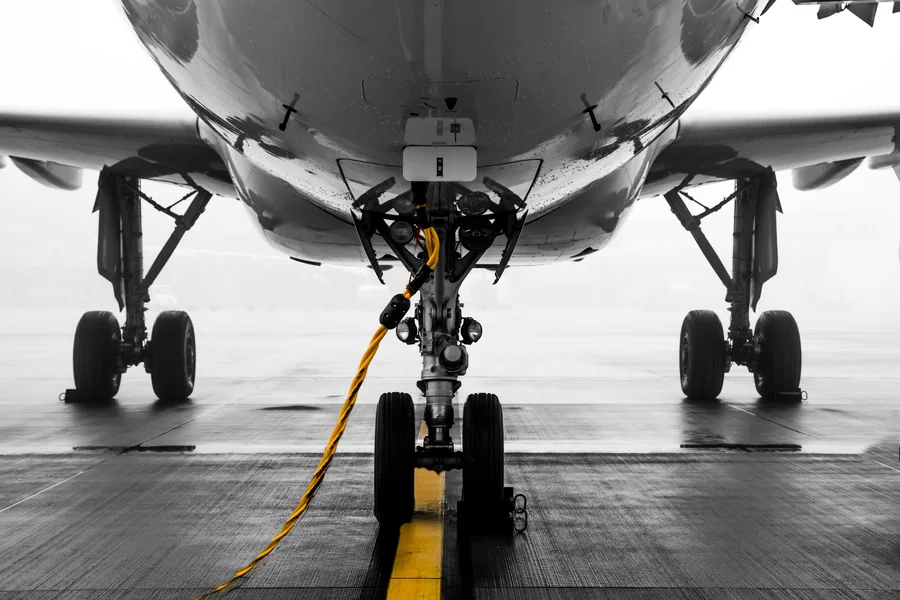
Working on the ground crew of an airport or any other aviation facility requires a high level of alertness and dedication to safety. As a ground crew member, your role is pivotal in ensuring the seamless operation of flights, from the moment they land to the time they take off.
Here is a brief guide to safe operations for ground crews.
Essential Safety Protocols
Adhering to safety protocols is the cornerstone of safe ground crew operations. These protocols are designed to mitigate risks and ensure that each task is performed with the utmost caution. Familiarize yourself with the standard operating procedures relevant to your role, and ensure that you are aware of any updates or changes. Regular training sessions and safety drills are crucial for staying abreast of best practices and understanding the latest safety measures.
Protective Equipment
Protective equipment is an essential aspect of ground crew safety, serving as your first line of defense against workplace hazards. Among the critical pieces of equipment is a safety vest, like the Kishigo safety vest. These vests are designed to make you easily identifiable, especially in low-light conditions, reducing the risk of accidents involving vehicles or machinery. Always ensure that your vest is in good condition and worn correctly to maximize its effectiveness.
Safe Handling and Operation of Ground Support Equipment
Handling ground support equipment (GSE) requires a combination of skill, knowledge, and adherence to safety procedures. Familiarize yourself with the equipment you operate, understanding its functionalities, limitations, and safety features. Regular inspections and maintenance checks are crucial to ensuring that each piece of equipment is in optimal condition and safe to use. Report any faults or damages immediately to prevent accidents or equipment failure during operations.
Importance of Effective Communication
Effective communication is a critical component of ground crew safety, ensuring that all team members are aligned and informed. Miscommunication can result in dangerous situations, particularly in high-pressure environments like airports. Establish clear channels of communication and use standardized signals and terminology to prevent misunderstandings. Regular briefings and debriefings are beneficial for discussing tasks, addressing concerns, and reviewing performance.
Emergency Response Procedures
Despite the best prevention efforts, emergencies can still occur, making it essential to have robust emergency response procedures in place. Familiarize yourself with the emergency protocols specific to your operation. This could include evacuation routes, emergency contacts, and first aid procedures. Regular drills and training sessions help reinforce these procedures, ensuring that everyone knows their role during an emergency.
Conclusion
Mastering ground crew safety is an ongoing process that requires vigilance, commitment, and a proactive approach. As a ground crew member, your role is crucial in ensuring the safety and efficiency of airport operations. Continue to educate yourself, participate in training sessions, and stay informed about industry developments. Your dedication to safety not only protects you and your colleagues but also sets a standard for others to follow.