
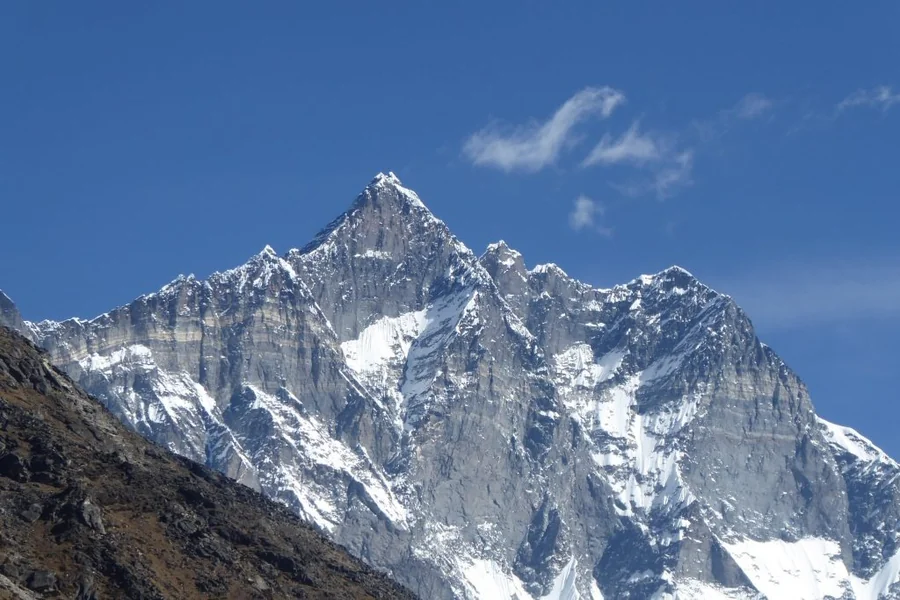
Appreciating the Subtle Details
Amidst the challenges of the climb, I discovered the subtle details that make Sauyr Zhotasy truly special. The mountain’s flora and fauna were both unexpected and delightful, offering glimpses of life thriving in this harsh environment. I found myself pausing to admire the resilience of alpine flowers clinging to rocky ledges and the occasional sighting of elusive wildlife. These moments of beauty provided a sense of connection to the natural world, a reminder that the mountain’s terrain is not just a challenge to be overcome but a rich tapestry of life to be appreciated.
Building a Relationship with the Mountain
Understanding the terrain of Mount Sauyr Zhotasy was not just a physical journey but an introspective one. You should understand terrain of Everest expedition, Ama Dablam climb, Manaslu climb, Ojos Del Salado climb as well. As I climbed, I realized that the mountain was shaping my perspective, teaching me about resilience, adaptability, and respect for nature’s power. Each section of the trail presented its own lessons, encouraging me to dig deeper within myself to find strength and determination. In the end, my relationship with Sauyr Zhotasy became a testament to the bond between human and nature—a bond forged through perseverance, respect, and an unwavering spirit of adventure.
The Importance of Acclimatization
As I prepared for my climb of Mount Sauyr Zhotasy, one crucial aspect I couldn’t overlook was acclimatization. At an elevation of 4,463 meters, the mountain presents a significant challenge, not just in terms of physical effort, but also in adapting to the reduced oxygen levels. Acclimatization is the process that allows our bodies to adapt to high altitudes, reducing the risk of altitude sickness, which can be debilitating and even dangerous. Symptoms like headaches, nausea, and dizziness can quickly derail an ascent if not managed properly.
To ensure my body adjusted efficiently, I planned my ascent meticulously, incorporating ample time for acclimatization. Here are the strategies I followed:
– **Gradual Ascent:** I made sure to ascend slowly, allowing my body enough time to adapt as I climbed higher. This strategy helped in minimizing the strain on my system.
– **Rest Days:** I scheduled rest days in my itinerary. These breaks were not just a chance to recuperate physically but also vital for my body to acclimate to the altitude.
– **Hydration:** Staying well-hydrated was another critical component. The dry air at high altitudes can accelerate dehydration, so I made a conscious effort to drink plenty of water throughout the day.
Additionally, I paid close attention to my body’s signals. Monitoring my health closely was crucial; I was attuned to recognizing any symptoms of altitude sickness early on. Should any signs have become prominent, I was prepared to descend to a lower altitude to recover. It was reassuring to have a plan in place, knowing that descending might be necessary to ensure safety. Experiencing symptoms such as persistent headaches or extreme fatigue was a clear indicator to take action.
Reflecting on my experience, the process of acclimatization was not only about physical preparation but also about mental fortitude. The patience and discipline required to adhere to an acclimatization schedule were as challenging as the climb itself. However, this measured approach allowed me to embrace the journey fully, savoring each moment while ensuring my safety on the majestic Mount Sauyr Zhotasy. Understanding and respecting the importance of acclimatization were key to my successful ascent, and I carry these lessons forward in all my climbing adventures.

