Introduction
Running a small business is a challenging yet ambitious pursuit that requires constant focus on growth, customer relations, and maintaining smooth daily operations. Amid these demands, looming risks can easily be overlooked, yet a single unexpected event could disrupt years of hard-earned progress. One frequently neglected line of defense is obtaining adequate insurance tailored to businesses, which functions as a crucial financial safety net and can provide peace of mind during crises. In today’s dynamic world, the reality is that even a minor oversight in coverage or risk management can have devastating long-term effects.
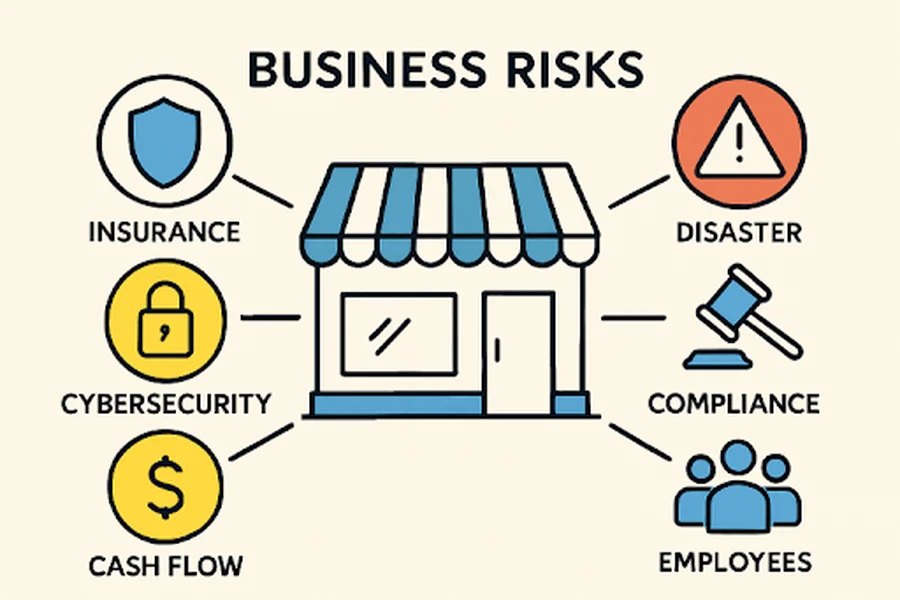
To secure a future for your business, it’s vital to not only recognize these often-ignored risks but also to prepare proactively. Common threats, including gaps in insurance, cyberattacks, inadequate cash flow management, disaster unpreparedness, regulatory challenges, and workforce vulnerabilities, can pose serious barriers to ongoing success. By taking strategic, informed steps and leveraging trusted resources, small business owners can significantly bolster their resilience, minimize damages, and pave a path for steady growth and stability in changing times.
Inadequate Insurance Coverage
Many small business owners make the mistake of assuming that a basic general liability or property insurance policy offers all the protection they need. However, every business faces unique exposures based on its industry, location, and specific operations. Relying on a generic, one-size-fits-all policy could leave critical vulnerabilities open, such as losses from natural disasters like floods or earthquakes, professional liability claims, business interruption incidents, and other similar risks. A comprehensive risk assessment with an experienced provider can help identify these blind spots and tailor your coverage accordingly. Having robust insurance tailored to businesses not only mitigates financial loss but can also aid recovery after unexpected setbacks.
Cybersecurity Vulnerabilities
While cybersecurity threats often make headlines in the context of large corporations, small businesses are actually at greater risk because hackers perceive them as easy targets. Lax security protocols, outdated software, and lack of employee training contribute to a culture of vulnerability. Cyberattacks, whether in the form of ransomware, phishing, trojans, or data breaches, can result in paralyzing downtime, loss of customer trust, legal liability for data exposure, and significant repair costs. Fortunately, small businesses can defend themselves with practical measures: implement multi-factor authentication, regularly update critical software and systems, conduct routine backups both onsite and in the cloud, and train employees to recognize suspicious emails and other attack vectors. Establishing these routines forms the foundation of a strong security protocol and reduces overall risk.
Poor Cash Flow Management
Profitability on paper does not guarantee that your business will have enough cash on hand to meet its operational needs. Small businesses are particularly vulnerable to cash flow disruptions caused by late customer payments, sudden cost increases, outstanding debts, or seasonal downturns. Without sufficient liquidity, even short periods of reduced revenue can threaten your ability to pay suppliers, employees, or rent, potentially leading to the premature closure of operations. Owners should regularly review and forecast their revenue streams and expenses, keep tight control over accounts receivable and payable, and set aside accessible emergency funds. Leveraging modern accounting or cash flow management software can automate this process and highlight issues before they become disastrous. Diversifying the client base, using invoice factoring, or securing a business line of credit can further buffer against unforeseen disruptions.
Lack of Disaster Preparedness
Disasters come in many forms, whether natural events like hurricanes, wildfires, or floods, or unexpected crises such as infrastructure failures or cyber events, and their suddenness can catch businesses completely off guard. Without a structured disaster recovery and business continuity plan, companies are much more susceptible to extended periods of closure and loss of both revenue and customer trust. Developing a comprehensive plan involves identifying potential threats based on your geographic location and industry, creating data backup systems (with both on-site and secure off-site options), and outlining alternate workflows in the event of facility inaccessibility. Equally important is training staff on emergency procedures and running regular drills so everyone knows their role during a crisis. Strong disaster readiness ensures not only survival but also a faster and smoother recovery.
Legal and Regulatory Non-Compliance
The landscape of business compliance continues to grow more complex each year, with strict requirements encompassing tax laws, safety regulations, licensing, labor standards, environmental protections, and other related areas. Small business owners, consumed by daily operations, may unintentionally fall behind on these mandates, only to face severe fines, costly lawsuits, or forced closure when violations are discovered. Staying ahead requires keeping up with all local, state, and federal laws affecting your operation, performing periodic self-audits, and utilizing checklists or compliance tools. Establishing regular consultations with qualified legal professionals enables you to clarify murky requirements and respond proactively to regulatory changes. Scheduling timely license renewals and implementing ongoing compliance training for staff will ensure all practices remain aboveboard.
Employee-Related Risks
Employees are the backbone of every small business, but mismanaging workforce-related risks can quickly derail success. Issues such as high turnover, inadequate training, low morale, or workplace accidents can diminish productivity, hamper service quality, and increase operational costs. Addressing these challenges starts with cultivating a positive, open, and supportive workplace culture. Investing in initial and ongoing training ensures that staff are well-prepared for their roles and aware of best practices for safety and customer service. Offering recognition programs or financial incentives can drive engagement and loyalty, reducing turnover and maximizing performance. Relying on expert HR advice and consistently updating your employment practices in line with emerging legal requirements can prevent disputes and help build a sustainable team.
By staying alert to these commonly overlooked business risks and tackling them with foresight and practical solutions, small business owners set their companies up for long-term success. Regularly evaluating your operations, maintaining robust business insurance, and leveraging reliable resources will help protect your investment, nurture your workforce, and promote stability, even in the face of unexpected adversity.