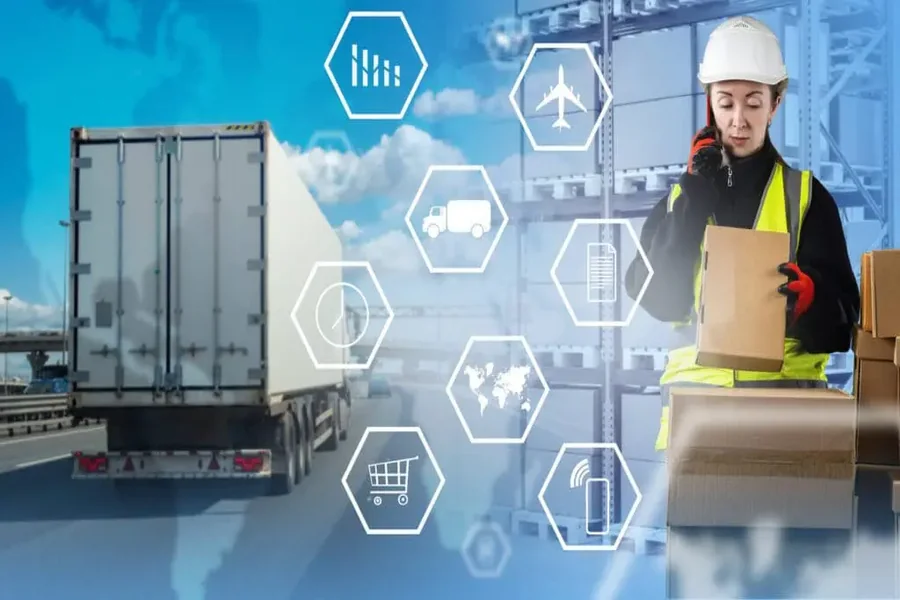
As international markets become more accessible, cross-border logistics has emerged as a critical element in global business strategy. Whether you’re a small business exporting for the first time or a large enterprise managing complex global supply chains, understanding how to navigate the nuances of international logistics can significantly impact your bottom line. This article outlines the core concepts, challenges, and strategies every business should understand when dealing with cross-border logistics.
Understanding Cross-Border Logistics
Cross-border logistics refers to the processes involved in transporting goods from one country to another. Unlike domestic shipping, international logistics involves additional layers of complexity due to the involvement of different legal systems, currencies, customs procedures, and transportation infrastructures.
This logistics chain often involves multiple stakeholders, including freight forwarders, customs brokers, third-party logistics providers (3PLs), and local distribution agents. A successful cross-border shipment requires efficient coordination among these players to ensure timely delivery, cost efficiency, and compliance with international trade laws. Planning each step, from warehouse to final destination, helps businesses reduce risks and enhance customer satisfaction across borders.
Regulatory Compliance and Customs
One of the most challenging aspects of cross-border logistics is managing regulatory compliance. Every country has its own customs rules, import duties, documentation requirements, and lists of restricted goods. A single mistake in paperwork can result in delays, penalties, or seizure of goods.
Businesses must prepare accurate documents, including the commercial invoice, packing list, certificate of origin, and bill of lading. It is also vital to classify goods under the correct Harmonized System (HS) codes to determine applicable duties and taxes. Collaborating with experienced customs brokers or international logistics firms can ensure that your shipments comply with all local and international requirements, helping to avoid unnecessary complications.
Shipping Terms and Trade Agreements
Incoterms (International Commercial Terms) are standardized terms used globally to define the roles and responsibilities of buyers and sellers in international transactions. They help prevent confusion and disputes by clearly specifying who is responsible for insurance, freight charges, export/import duties, and transportation risks.
Terms like FOB (Free on Board), EXW (Ex Works), and CIF shipping are frequently used in global trade agreements. Each term outlines different cost-sharing and liability structures. For instance, under CIF (Cost, Insurance, and Freight), the seller covers the cost and insurance up to the destination port, whereas the buyer takes over from there. Understanding how these terms impact your logistics and finances is crucial when negotiating cross-border contracts.
Choosing the Right Logistics Partner
Selecting a reliable logistics partner is crucial to executing successful international shipments. Not all freight forwarders or 3PLs offer the same level of service, especially when it comes to navigating complex international routes and customs regulations.
Look for partners with strong international networks, a proven track record in cross-border logistics, and the ability to manage multimodal transportation (air, sea, land). Digital capabilities, such as real-time tracking, automated alerts, and paperless documentation, are also key factors. A partner who understands the nuances of both global and local logistics can help your business scale operations across borders without bottlenecks.
Technology in Cross-Border Logistics
Technology is revolutionizing how businesses manage international shipping. Real-time GPS tracking enables companies to monitor shipments at every stage, thereby reducing delays and theft. Internet of Things (IoT) devices embedded in cargo containers can provide temperature and location data for sensitive goods, such as pharmaceuticals or perishables.
Automation in customs clearance, invoicing, and warehouse operations has streamlined many previously manual processes. Blockchain, although still in its early stages of adoption, offers the promise of secure and tamper-proof documentation sharing across international borders. By embracing digital tools, businesses can reduce paperwork, enhance transparency, and respond faster to unexpected disruptions in the supply chain.
Common Challenges and How to Overcome Them
Cross-border logistics is not without its pitfalls. Unexpected customs delays can disrupt timelines, especially if paperwork is incorrect or incomplete. Political instability or sudden policy changes can also create obstacles in certain regions.
Language barriers and differences in business practices can further complicate communication between international stakeholders. Currency volatility can significantly impact the final landed cost of goods, particularly for long-term contracts. To mitigate these risks, businesses should develop contingency plans, insure high-value shipments, and maintain open communication with their logistics providers. A deep understanding of regional dynamics helps businesses proactively address challenges before they escalate.
Optimizing Cost and Efficiency
To remain competitive, businesses must continuously evaluate how to optimize their logistics costs without compromising reliability. Efficient route planning, for example, can reduce transit time and fuel consumption. Consolidating shipments helps to lower per-unit shipping costs and makes customs clearance more manageable.
Choosing strategically located warehouses near key ports or trade corridors can enhance delivery speed and reduce storage expenses. Inventory control also plays a critical role; excessive stock increases holding costs, while understocking can cause delays in fulfilling orders. Automation, predictive analytics, and data-driven decision-making all contribute to running a lean, responsive cross-border supply chain.
Conclusion
Cross-border logistics is a complex but essential part of international business. From understanding regulations and Incoterms to selecting the right partners and leveraging cutting-edge technology, businesses must be proactive in navigating this complex landscape. While challenges exist, they can be effectively managed with planning, transparency, and the right expertise. By strengthening logistics capabilities, companies can ensure smoother operations, satisfied customers, and continued growth in global markets.