Modern glazing is moving toward higher efficiency, longer service life, and stable thermal performance. This shift is one of the reasons the demand for warm edge spacer in India continues to rise. More factories, glass units, and façade system suppliers now prefer non-metal spacers because they help reduce heat transfer and keep insulated glazing units stable across different conditions.
Energy rules are also getting stricter across commercial and industrial buildings. With rising power costs, the glazing system used in factories and large units needs support that can handle temperature changes without creating weak points. Warm edge spacers offer this stability by maintaining a better thermal break along glass edges.
How Warm Edge Spacers Improve Modern Glazing
Warm edge spacers are thin, non-metallic strips placed between two or more glass panes. Their job is simple, yet the impact is large. They help control edge temperature, reduce thermal stress, and support long-term seal strength.
Temperature Control Along the Edges
Most heat loss in glazing happens around the edges. Warm edge spacers slow this movement and create a more balanced temperature zone inside the insulated glass unit.
Reduced Condensation
By keeping the edge warmer, these spacers lower the risk of moisture build-up. This is important for factories where condensation can affect equipment, stored materials, or climate-controlled rooms.
Longer Seal Life
A stable temperature pattern helps the sealant last longer. This reduces maintenance and supports reliable window performance over many years.
Why Factories Prefer Warm Edge Spacers in 2025
Industrial buyers now look for glazing parts that stay stable under heat, vibration, dust, and long operating hours. Warm edge spacers meet these needs due to their stronger material behaviour and long-term strength.
Better Fit for High-Load Environments
Metal spacers expand and contract quickly with temperature changes. Non-metal spacers stay more stable, making them better suited for machinery rooms, insulated storage, and large industrial windows.
Improved Energy Performance
Factories often run climate systems throughout the day. Warm edge spacers reduce energy leakage and help maintain a consistent internal temperature.
Strong Returns Over Time
Lower repair costs, fewer unit failures, and reduced energy use make these spacers a practical choice for factories planning long-term operations.
For a clear breakdown of how these spacers manage temperature in large glazing units, this overview explains how warm edge spacers cut heat loss.
Growing Use in Commercial Projects
Architects and contractors now choose warm edge systems for malls, offices, hospitals, and airports. The performance gain is consistent, and the installation fits well with advanced glazing standards used today.
Common Areas Using Warm Edge Spacers
- Commercial glass façades
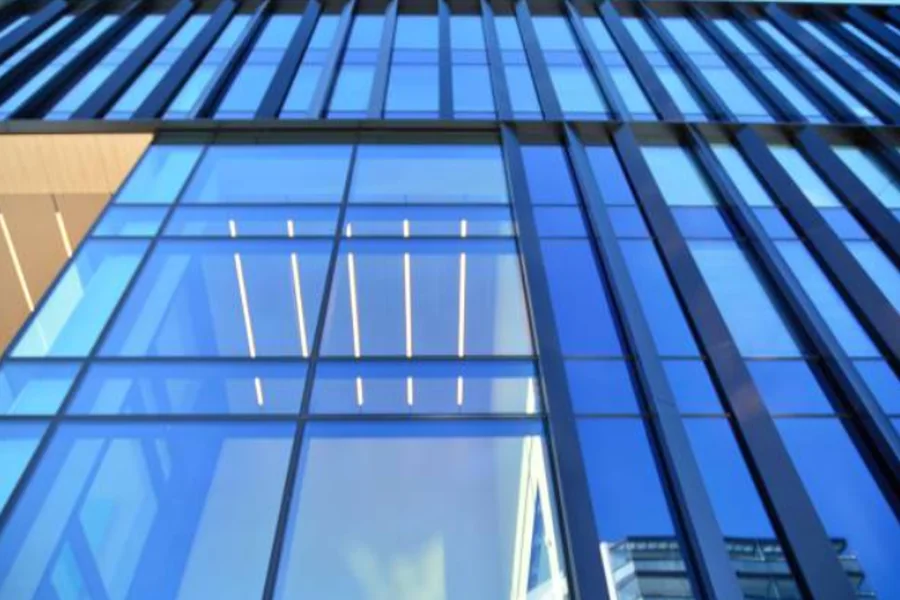
- High-rise curtain walls
- Industrial control rooms
- Insulated storage areas
- Clean rooms
- Climate-managed warehouses
These projects need glazing that maintains strength without adding thermal stress. Warm edge spacers help maintain glass clarity, limit edge damage, and keep panels strong during long service cycles.
How Warm Edge Spacers Support Sustainable Building Plans
Factories and commercial buildings are moving toward energy-efficient designs. Warm edge spacers support this shift by:
- Reducing cooling and heating loads
- Lowering the stress on large glass units
- Supporting longer life cycles for IGUs
- Improving interior comfort levels
- Reducing the carbon footprint of the building
These benefits are why many companies consider warm edge spacers an essential part of their sustainability strategy, not just an optional upgrade.
Why Are Warm Edge Spacers Becoming the New Standard?
Warm edge spacers are replacing metal spacers because they lower heat loss, reduce condensation, improve the life of insulated glass units, and support stable performance in both industrial and commercial glazing systems.
FAQ
1. What makes warm edge spacers different from metal spacers?
Warm edge spacers are built using non-metal materials that reduce heat transfer along the edges of an insulated glass unit. This helps control temperature, lowers condensation, and reduces stress on the sealant, especially in large glazing panels.
2. Why are warm edge spacers useful for factories?
Factories often deal with temperature changes and long usage cycles. Warm edge spacers keep the glass edges stable, lower energy leakage, and maintain better internal conditions. This results in improved performance of industrial windows and less need for maintenance.
3. Do warm edge spacers help reduce energy bills?
Yes. By limiting heat movement through the edges of the glazing system, warm edge spacers reduce heating and cooling load. This helps lower energy use in commercial and industrial spaces.
4. How long do warm edge spacers last?
A good quality spacer can perform well for many years because the stable material reduces thermal stress on the glazing unit. Most factories choose them for long-term reliability and consistent insulation over time.
5. Can warm edge spacers be used in large glazing panels?
Yes. They are widely used in curtain walls, large commercial façades, and industrial-scale windows. Their flexibility and strong bonding behaviour make them suitable for heavy-duty applications.